

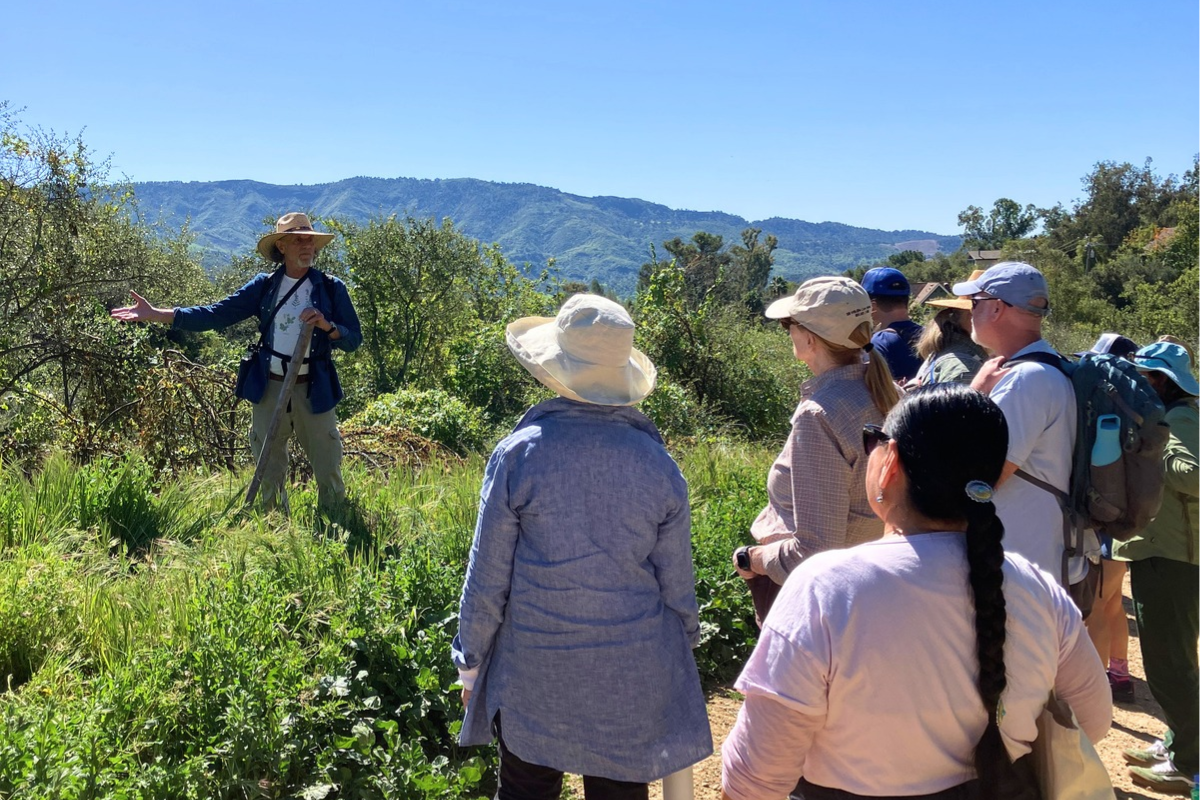

2026 marked the launch of Forest Academy, Los Padres ForestWatch’s new outdoor education series exploring the habitats and inhabitants of Los Padres National Forest and nearby public lands. Led by experts in their fields, the inaugural series followed a Flora and Fauna theme across four classes: Plants, Birds, Animals and Bats.
Participants could join the full series or individual classes as space allowed. We kept groups small for a more personal experience with our leaders, and most classes sold out.
Plants: Native Flora Through a Chumash Perspective
March, Ojai
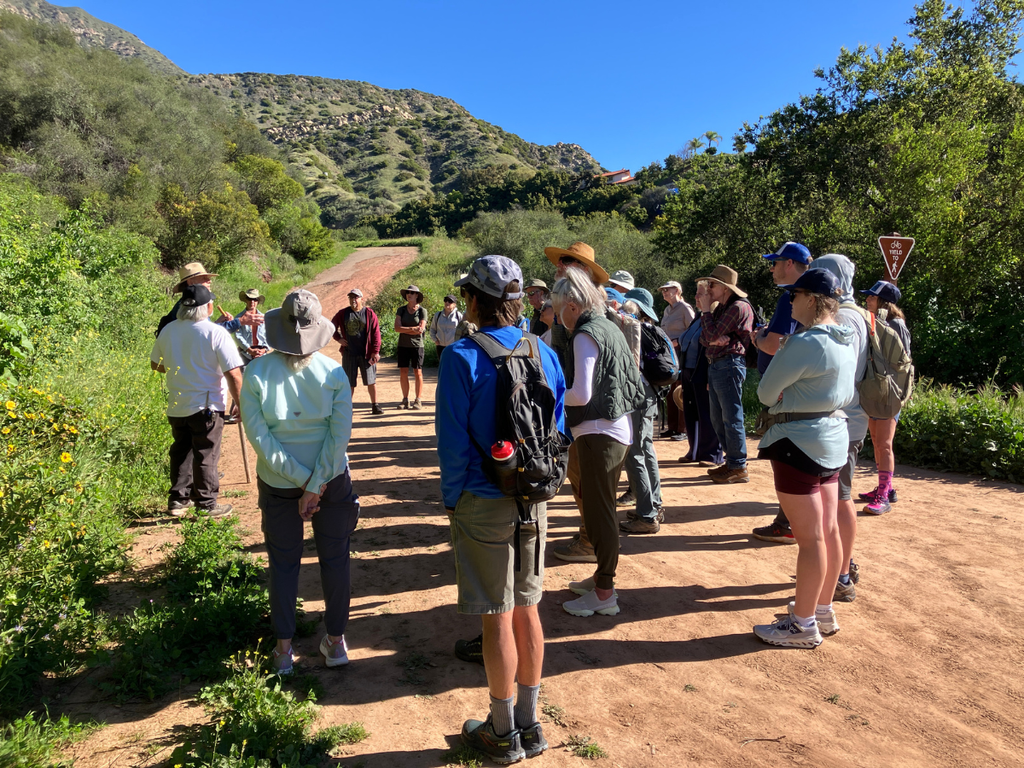
Our first class explored local flora through a Chumash perspective with Lanny Kaufer and Patrick Tumamait, two local leaders known for their deep knowledge of, reverence for and connection to these lands and their native plants.
On a sunny day hiking Shelf Road in Ojai, Lanny and Patrick pointed out native species and explained how each was used for food or medicine. We washed our hands with native soap plant and breathed in the different sages along the trail, learning how to tell them apart. We also learned about the history of the Ojai Valley and how the Chumash used its natural bounty. The day ended with a closing ceremony and a deeper appreciation for the plants around us.
Birds: Spotting a Pygmy Owl at Cerro Alto
May, San Luis Obispo County
Binoculars were up before we even left the parking lot at Cerro Alto, an area famous for its local and migratory birds. It was a great introduction for beginner birders and a rewarding outing for experienced ones.
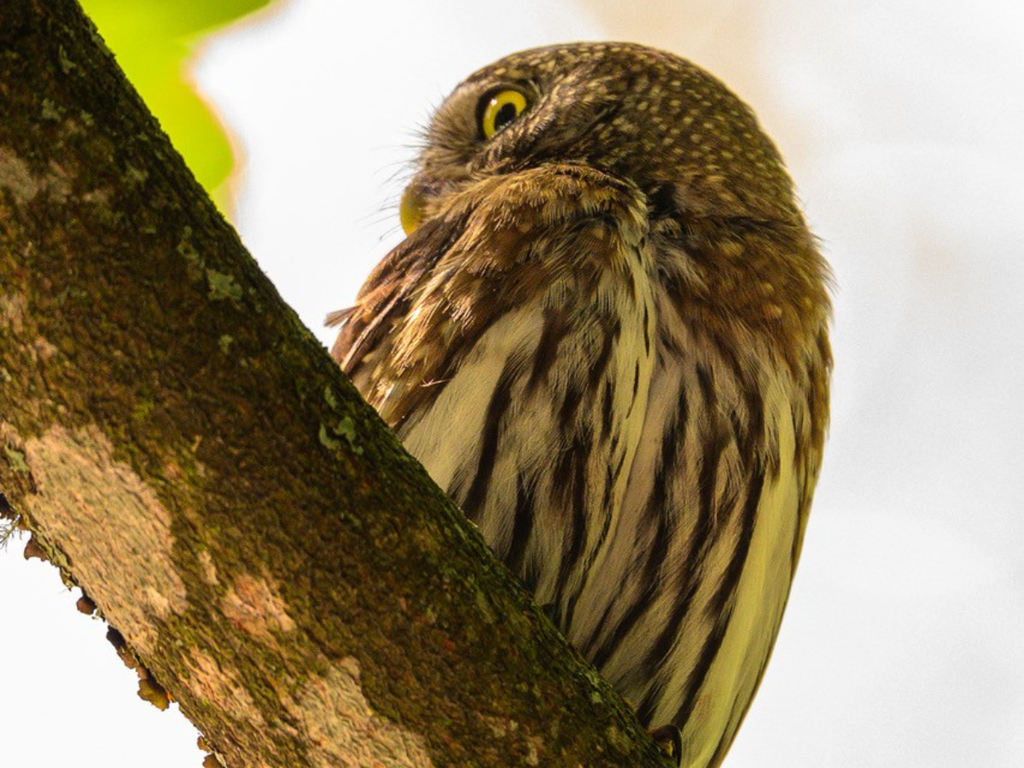
Four local expert birders, Jim Royer, Carrie Miller, Eric Weir and Steve McMasters, led two small groups up and down the hill from the campground, searching by sight and sound. The highlight of the day was a Pygmy Owl, which both groups spotted. For many of us, it was our Big Day.
Animals: Wildlife Tracking at the Santa Clara River Preserve
July, Santa Paula
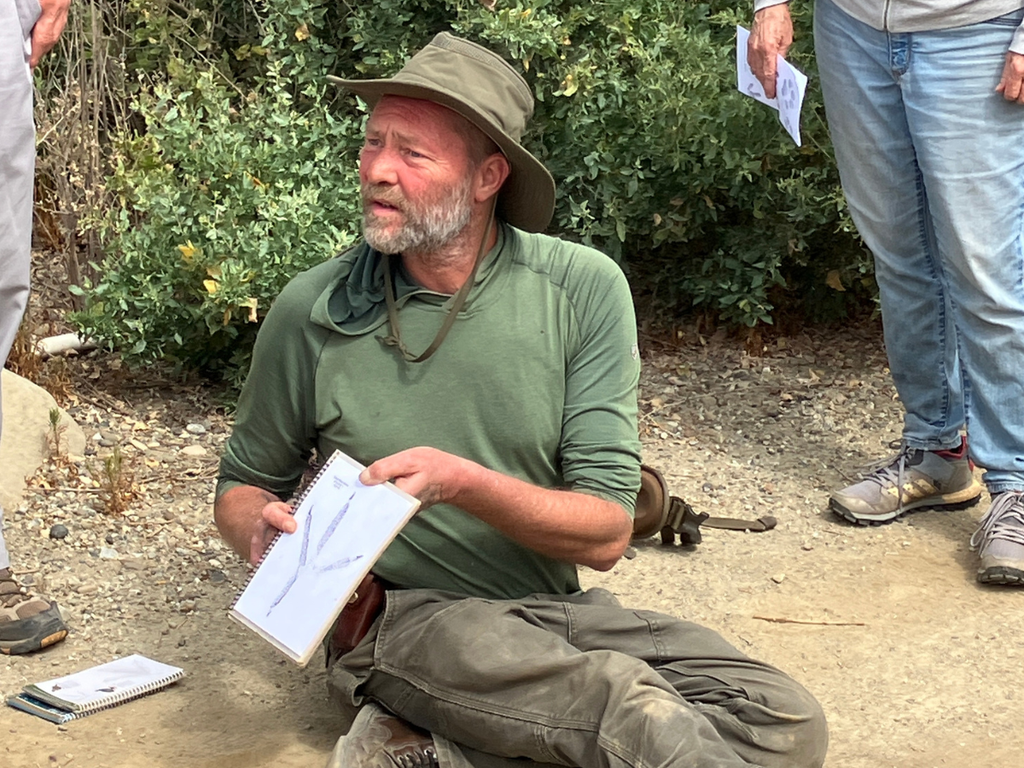
Tracking experts Martyn LeNoble and Wyatt Harris, with help from Amanda Meller, showed us how the tracks animals leave behind tell the story of what happens at night. We found tracks from fox, rabbit, kangaroo rat, Jerusalem cricket, snake, toad, quail, raccoon, bobcat and coyote, and learned what makes each species unique.
We learned to tell canid prints from cat prints, use reference guides to identify tracks, and measure tracks with our hands when nothing else is handy. We also studied scat and the unusual bathroom habits of some animals.
Thanks to our partners, The Nature Conservancy and Channel Islands Restoration, we gathered at the Santa Clara River Preserve in Santa Paula, a first visit for many participants. Everyone was awed by the expansive preserve and the natural world these two organizations care for.
Bats: Bat Theater at Camp Arnaz
October, Ojai
Our final class fell during Bat Week and focused on bats, of course!
Our leader, Girl Scout Sam Kienitz, earned her Silver Award for a bat project at the Girl Scout camp in Ojai, fondly known as Camp Arnaz. Sam researched bats and built a series of bat boxes at the camp that are now home to many “Sky Puppies,” as she calls them. Joining Sam was Carlo Calderon, Wildlife Program Coordinator at ForestWatch, who shared bat facts and ran a Wildlife Acoustics bat monitor. The monitor picks up echolocation calls and identifies the species making them.
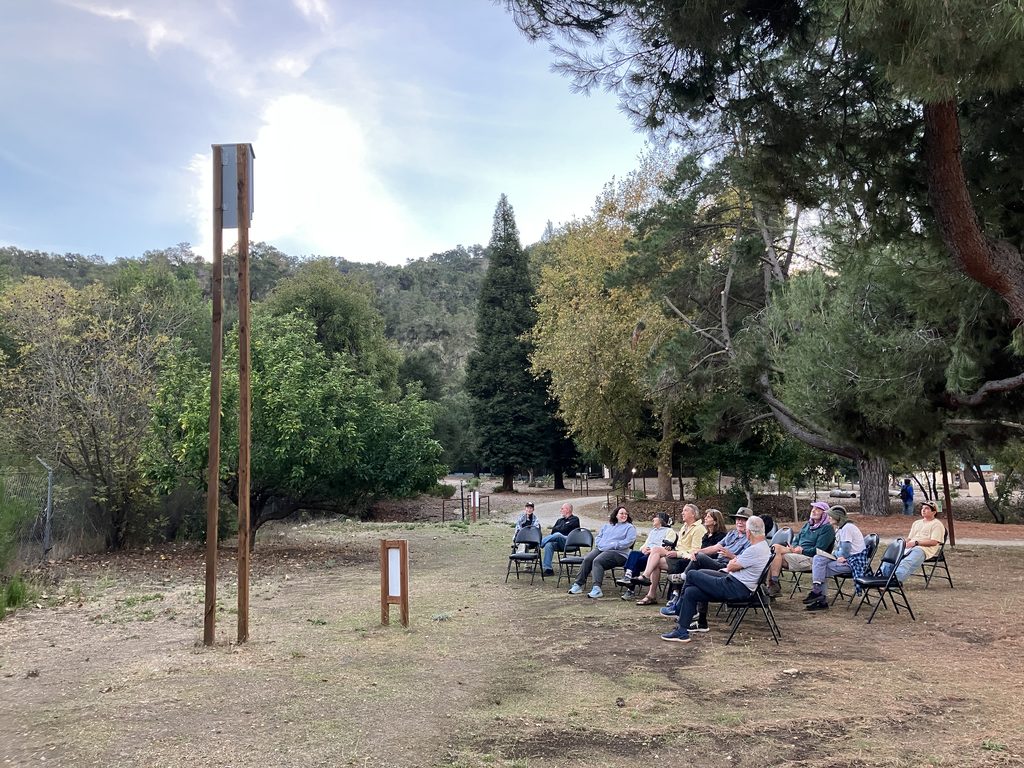
After exploring the camp and its bat boxes, we pulled up chairs around one box at twilight and waited for Bat Theater to begin. Bats emerged from the box and flitted across the dusk sky, busy with their dinner (or breakfast), while Carlo’s monitor went off like crazy.
Carlo’s Bat Report from the evening showed at least five species: Mexican free-tailed bats (the most abundant), plus silver-haired, hoary, big brown and pocketed free-tailed bats. The monitor also showed photos of each species, a big help when the bats were small, dark shapes zigzagging through a dark sky.
That’s a Wrap: Help Plan Forest Academy 2027
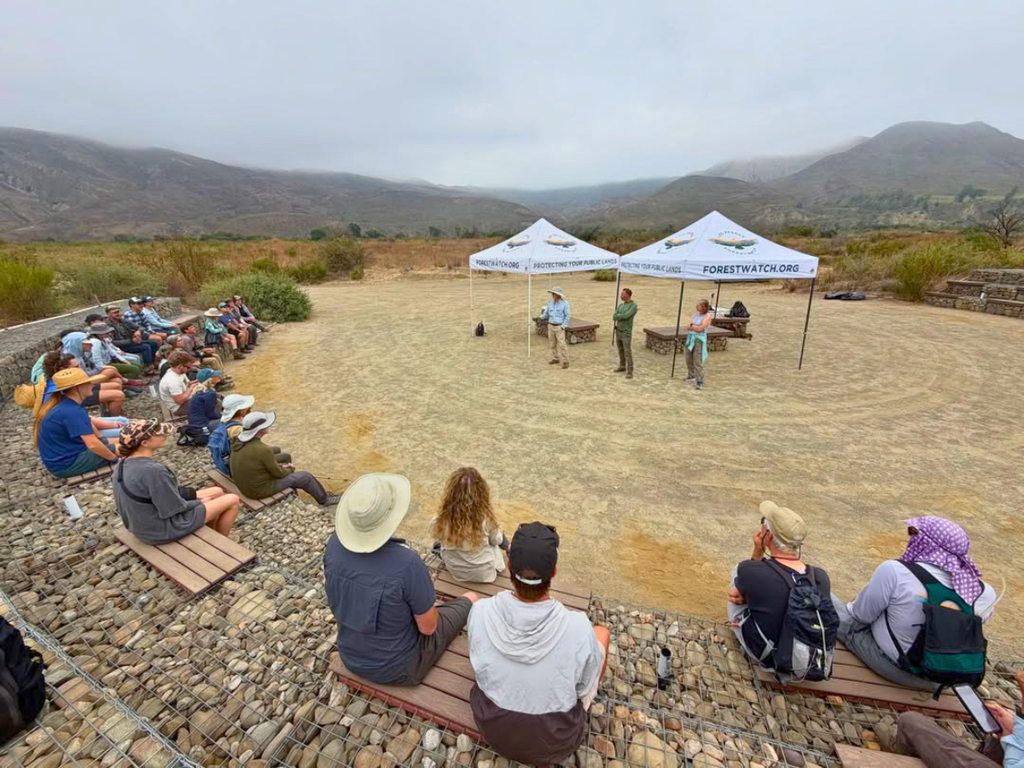
Everyone got an A+. Well done, Academy graduates!
With the new year close, we’re already planning Forest Academy 2027, and we want to know what interests you. Help shape next year’s series by taking our short survey.
Take the Forest Academy survey →
Thank You to Our 2026 Corporate Partners


