


The Trump administration this week has finalized sweeping changes to the rules governing public participation in national forest decisions, sharply reducing opportunities for people to review proposed projects, raise concerns, and help shape how public lands are managed.
Published on October 13, the U.S. Forest Service’s new administrative review rules will take effect in thirty days and apply to many project-level decisions across the National Forest System, including Los Padres National Forest.
Earlier this year, Los Padres ForestWatch joined 84 other organizations in submitting technical comments opposing the proposed changes and warning that they would undermine public accountability, environmental protections, and informed decision-making.
How the New Rules Limit Public Participation
| Public Participation Opportunity | Previous Rules | New Rules |
|---|---|---|
| EA comment period | 30 days | 15 days |
| EIS comment period | 45 days | 30 days |
| Formal objection period | 30–45 days | 10 days (EA) 20 days (EIS) |
| Objection page limits | Unlimited | 15 pages (EA) 30 pages (EIS) |
| Agency response deadlines | Up to 75 days (including extension) | 15 days (EA) 20 days (EIS) Up to 35 days with extension |
| Agency response page limits | Unlimited | 5 pages |
| Independent objection review | Independent reviewing officer | Project official oversees review |
| Formal resolution meetings | Upon request | Eliminated |
EA = Environmental Assessment; EIS = Environmental Impact Statement. On mobile, swipe horizontally to view the full comparison.
Less Time for the Public to Weigh In
Under the new rules, public comment periods are cut by as much as half, while formal objection windows are reduced to as little as 10 days. These abbreviated timelines will make it harder for individuals, communities, and conservation organizations to review highly technical environmental documents, visit affected areas, consult experts, and prepare meaningful comments.
In some cases, the objection period may be the public’s first opportunity to review a project’s completed environmental analysis, leaving as little as 10 days to evaluate potential impacts to wildlife, water, trails, and other resources before a final decision is made. That may simply not be enough time, and oftentimes the agency has already made up its mind so late in the process.
New Barriers to Challenging Forest Service Decisions
Beyond shortened deadlines, the new rules impose additional restrictions on the formal objection process. The objection process is an important tool that the public has used to seek improvements before projects and decisions are finalized.
The new rules place strict limits on what types of evidence the public can submit, and how long an objection letter can be. These restrictions will make it particularly difficult for members of the public to raise concerns about projects. The elimination of independent objection review now means that the same forest official who approved a project is now in charge of reviewing any objection, removing independent oversight. The elimination of formal resolution meetings takes away longstanding opportunities for collaboration. And, page and time limits to agency responses raise questions about whether officials will be able to adequately consider and respond to public concerns.
Taken together, these changes could make it harder for the public to hold federal land managers accountable and work toward solutions before projects move forward. While the Forest Service argues the changes will improve efficiency, ForestWatch and other conservation organizations warn they could instead lead to overlooked environmental impacts, unresolved conflicts, and increased litigation.
Why Public Participation Matters
For decades, public comments and formal objections have provided an important safeguard against poorly planned projects, helping the Forest Service identify environmental concerns and make better-informed decisions. ForestWatch has used this process to secure meaningful conservation improvements throughout Los Padres National Forest.
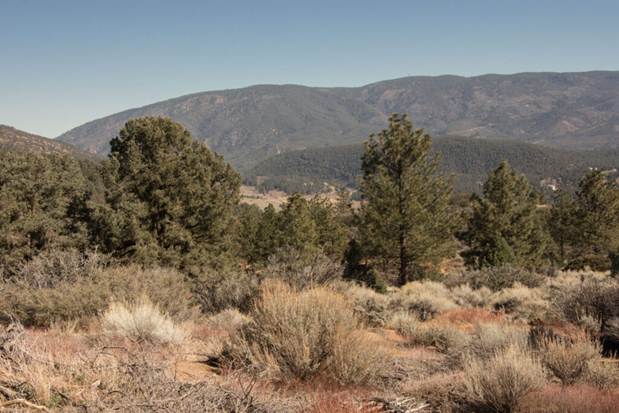
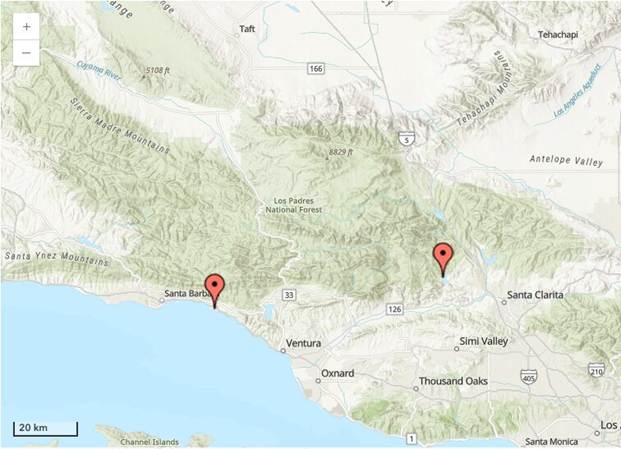
In 2012, our objection to the Frazier Mountain Project resulted in additional wildlife protections and a shift toward a non-commercial alternative with a 10-inch tree diameter limit. In 2016, we withdrew our objection after the agency agreed to remove several miles of unnecessary roads in an Inventoried Roadless Area and conduct a multi-year study of the impacts of livestock grazing on oak regeneration. And in 2018, the Regional Forester agreed to improvements to the Monterey Strategic Fuelbreak Project following an objection by ForestWatch.
These examples demonstrate how public participation can lead to better-informed decisions, meaningful conservation outcomes, and constructive solutions without resorting to costly litigation.
Making It Harder to Stay Informed
The new restrictions come amid broader changes that have already made it more difficult for the public to track and participate in national forest decisions. As ForestWatch reported earlier this year, the agency has eliminated its longstanding quarterly Schedule of Proposed Actions (SOPA), changed how it publishes project information, and experienced significant problems with online project listings and email notification systems.
The final rule further shifts official public notice to U.S. Department of Agriculture websites, with online publication triggering the start of already abbreviated comment and objection periods. Although the agency is required to send notifications to interested parties through available tools, the official deadlines begin with website publication, not necessarily when members of the public receive notice.
With as few as 10 days to prepare an objection, even minor notification delays could effectively shut people out of the process.
ForestWatch Will Continue Defending the Public’s Voice
The new rules represent another significant erosion of public participation in decisions affecting America’s national forests. By prioritizing faster approvals over meaningful review, the Forest Service risks undermining a process that has helped protect public lands and improve projects for decades.
ForestWatch and our conservation partners will work even harder to track proposed projects and advocate for meaningful public involvement in decisions affecting Los Padres National Forest.