


Two new laws expand how California protects wildlife movement, improves road crossings, and helps communities reduce conflicts with wildlife.
For wildlife to survive on California’s increasingly fragmented landscapes, they need room to move. Animals travel to find food, water, mates, and suitable habitat—but roads, development and other barriers can make those journeys increasingly difficult and dangerous.
That challenge is at the core of ForestWatch’s Room to Roam program, which works to protect wildlife corridors and improve habitat connectivity throughout the Los Padres region.
Two new California laws signed on September 29, 2026, add important tools to this work. SB 1250 strengthens wildlife connectivity planning within the state highway system, while SB 1135 establishes a statewide framework for reducing conflicts between people and wildlife.
Together, they build on existing state and local policies, including California’s Room to Roam Act (AB 1889), passed in 2024, which requires local governments to consider wildlife movement and habitat connectivity in future land-use planning.
SB 1250: Bringing wildlife connectivity into highway planning
Roads and highways are some of the biggest barriers wildlife face as they move across the landscape. They can divide habitat, restrict movement, and lead to deadly collisions with vehicles. In California, wildlife-vehicle collisions cause about $250 million in damage each year, while putting both motorists and wildlife at risk.
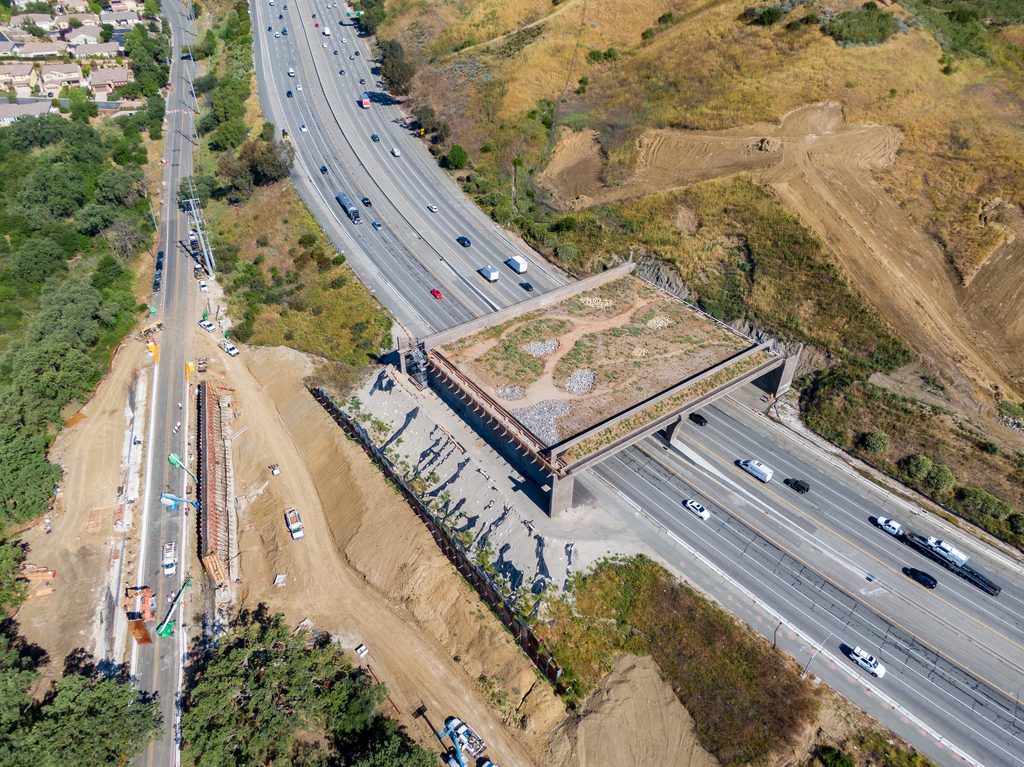
SB 1250, authored by Senator Dave Cortese, makes wildlife connectivity a formal part of California’s state highway planning. The law is designed to help Caltrans identify priority areas where wildlife movement and vehicle collisions are a concern, and plan infrastructure improvements that can make those areas safer for both people and animals.
The new law requires Caltrans to account for wildlife connectivity improvements in its asset management plan. These can include wildlife crossings, improved culverts and bridges, habitat corridors, and fencing that safely guides animals towards crossing points.
It also directs the California Transportation Commission to adopt targets and ways to measure progress. The law requires Caltrans to prepare and publish a list of wildlife connectivity projects, including proposed improvements and projects completed since 2023. The list will identify where projects are located, what transportation infrastructure is involved, what barriers they address, and how their effectiveness will be measured.
The law takes effect in January 2027.
This has direct relevance to wildlife moving through and around Los Padres National Forest. Highways and roads can create major obstacles for species like mountain lions, black bears, bobcats, coyotes, and deer. Through our Room to Roam program, ForestWatch has been collecting data about wildlife sightings, movement, and roadkill. These observations can reveal where animals are trying to cross roads and where wildlife-vehicle collisions are occurring most often.
SB 1250 creates a stronger statewide framework for turning that kind of information into transportation planning and infrastructure improvements.
SB 1135: Helping people and wildlife coexist
Wildlife conservation is not only about protecting habitat. It is also about helping people and wildlife safely share the landscape.
SB 1135, authored by Senator Catherine Blakespear, establishes a statewide framework for reducing human-wildlife conflicts.
If funding is appropriated by the Legislature, the California Department of Fish and Wildlife will establish a Wildlife Coexistence Program, restoring a statewide effort whose previous funding expired in 2024.
The program would:
- Track and respond to wildlife conflict reports
- Investigate and analyze human-wildlife incidents
- Maintain a statewide wildlife incident reporting tool
- Support community-based coexistence efforts
- Provide technical assistance and resources
- Conduct public education and outreach
The program prioritizes effective, ecologically appropriate, and nonlethal approaches based on the best available science and Indigenous knowledge. It applies to conflicts involving bears, mountain lions, coyotes, and other wildlife, across rural, suburban and urban communities.
The law also renames the Wolf Livestock Compensation Pilot Program as the California Wolf-Livestock Coexistence and Compensation Program. The program supports proactive, nonlethal methods for preventing conflicts with wolves and provides compensation for verified wolf-related livestock losses. Participants seeking compensation must document their use of approved nonlethal deterrents.
Both programs depend on future legislative funding for implementation.
This approach reflects another important part of our Room to Roam work: protecting wildlife means not only keeping landscapes connected but also finding better ways for people and wildlife to coexist.
Building on California’s Room to Roam Act
These two new laws build on California’s Room to Roam Act (AB 1889), authored by former Assemblymember Laura Friedman and signed into law in 2024.
The law requires cities and counties to consider wildlife movement and habitat connectivity when updating the conservation elements of their general plans.
Beginning with applicable general plan updates on or after January 1, 2028, local governments must identify and analyze important wildlife connectivity areas, natural landscapes, and existing or planned wildlife crossings. They must also consider how development and related barriers could affect wildlife movement and habitat connectivity, and avoid, minimize, or mitigate those impacts where feasible.
The law also encourages communities to identify opportunities to remove existing barriers and restore degraded habitat and open space.
Taken together, these laws address wildlife conservation at several levels:
- AB 1889 brings wildlife connectivity into local land-use planning.
- SB 1250 brings wildlife movement into state highway planning
- SB 1135 strengthens efforts to reduce conflicts between people and wildlife.
Together, they move California closer to a more connected landscape where wildlife can move safely, and communities have better tools to coexist with them.
ForestWatch’s Room to Roam Work in the Los Padres Region
ForestWatch has seen firsthand how local action can protect wildlife movement. In 2019, after a two-year campaign led in part by ForestWatch, Ventura County adopted the state’s first wildlife corridor protection ordinances. The protections help preserve movement pathways used by mountain lions, bobcats, coyotes, bears and other wildlife navigating an increasingly fragmented landscape. The ordinances have since been upheld by the courts.
Explore how wildlife corridors connect habitat across Ventura County—and where important gaps remain.
Our work continues through Room to Roam, where community members can report wildlife sightings and animals killed on roadways. These observations help us better understand where wildlife are moving, where collisions are happening, and where barriers may need to be addressed. Over time, that information can help inform land-use decisions, transportation planning, and future wildlife crossing projects.
The passage of these new laws is an important step, but implementation will determine how much difference they make on the ground.
ForestWatch will continue participating in transportation planning, local general plan updates, wildlife connectivity inventories, and other implementation processes to make sure these policies translate into meaningful protections on the ground.
Report Wildlife Sighting and Roadkill
You can help us better understand how wildlife move across our region.
Report wildlife sighting or roadkill through our Room to Roam survey.